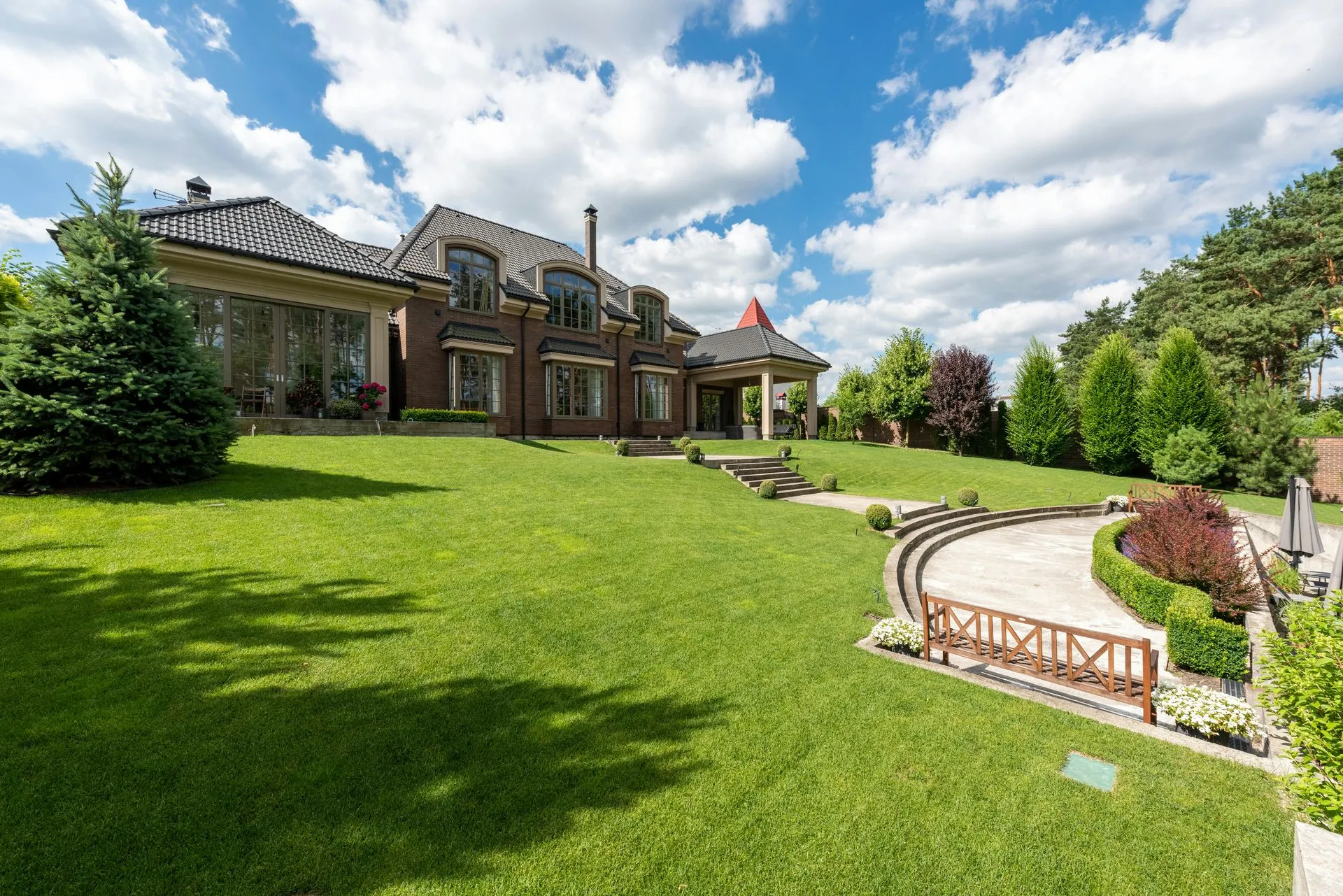
Clean, well-defined lawn borders come down to one thing: consistent weeding and edging services. Without them, even a healthy Albany-area lawn starts looking ragged in weeks. Grass and weeds creep into garden beds, blurring every line you worked hard to create.
October in Southeast Ohio brings cooler nights and lingering warm afternoons, which is exactly the kind of weather that keeps weeds germinating late into fall. If your beds and borders have gotten fuzzy around the edges this season, now is the time to fix it before winter dormancy sets in.
Why Rigid Edging Is Losing Ground
For years, plastic edging and sharply mulched "volcano" beds were the default look for Albany, Athens, and The Plains properties. That style is fading fast. Homeowners now want borders that feel like a natural extension of the surrounding hardwood forests rather than a hard plastic wall.
This shift toward a softer, more organic border is sometimes called the "disappearing lawn edge." It is not about neglecting structure. It is about creating structure that looks effortless, using clean soil trenches instead of visible hardware.
The Hidden Challenge Behind Natural Borders
Here is the catch nobody mentions when they show you photos of these beautiful, naturalistic yards: they require more skill to maintain, not less. A soft border with no physical barrier is much easier for weeds to invade than a rigid plastic edge.
Once weeds establish a foothold in loose bed soil, they spread laterally into turf roots within a single growing season. That means the natural look only works long-term with disciplined maintenance behind it.
Without intervention, Albany yards typically face:
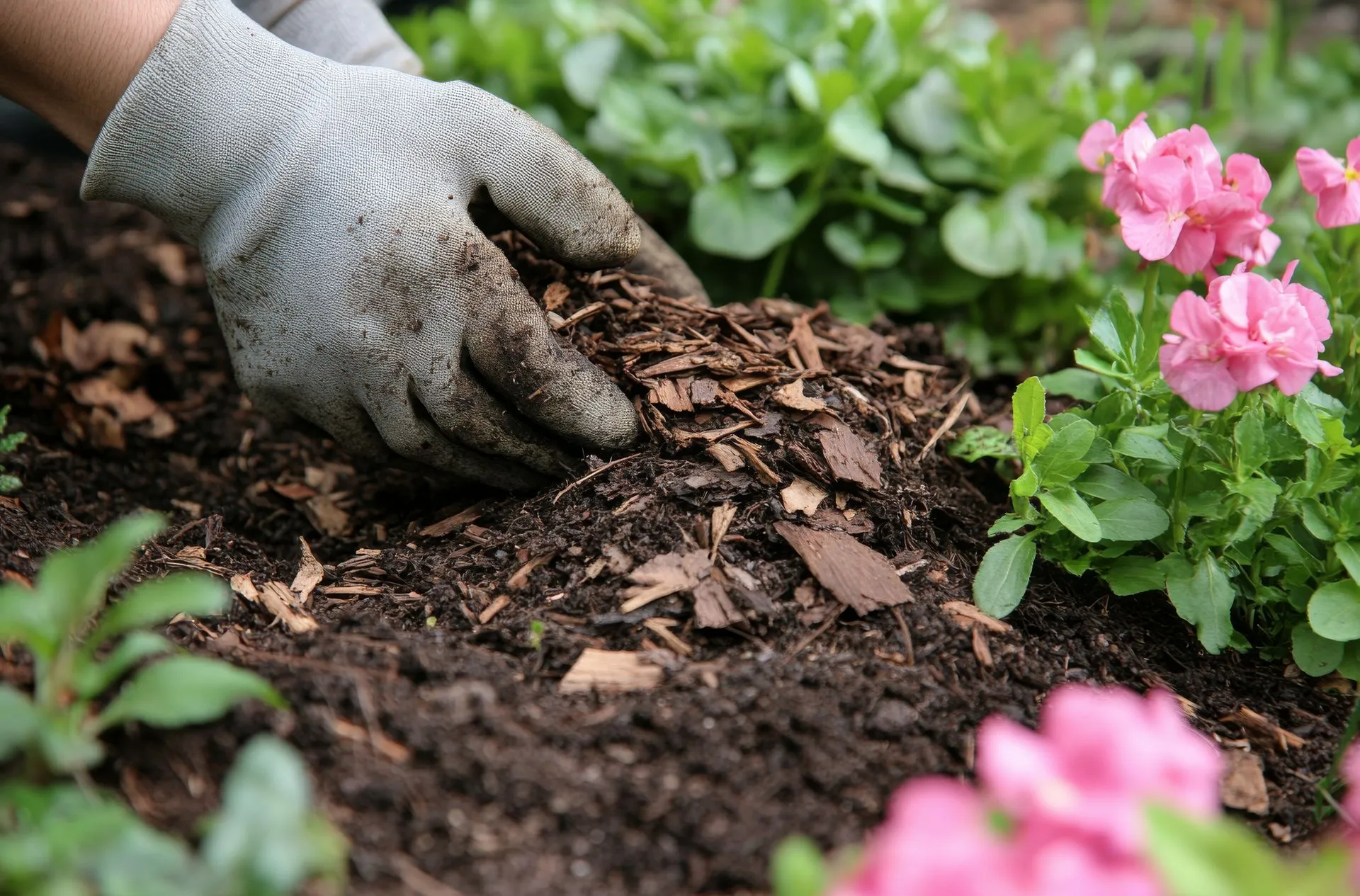
- Grass creeping into flower beds and mulch areas
- Weeds migrating from beds into the lawn itself
- Blurred, uneven lines that make the whole yard look unkept
- Increased competition for water and nutrients near border zones
What Professional Weeding and Edging Services Actually Involve
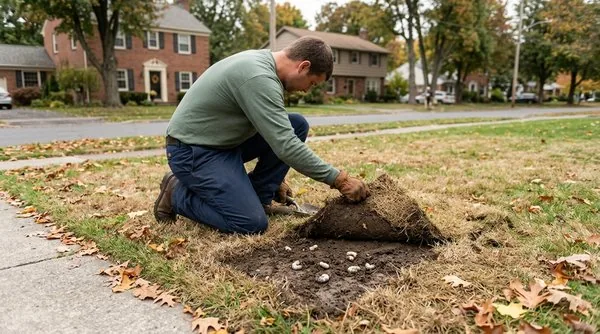
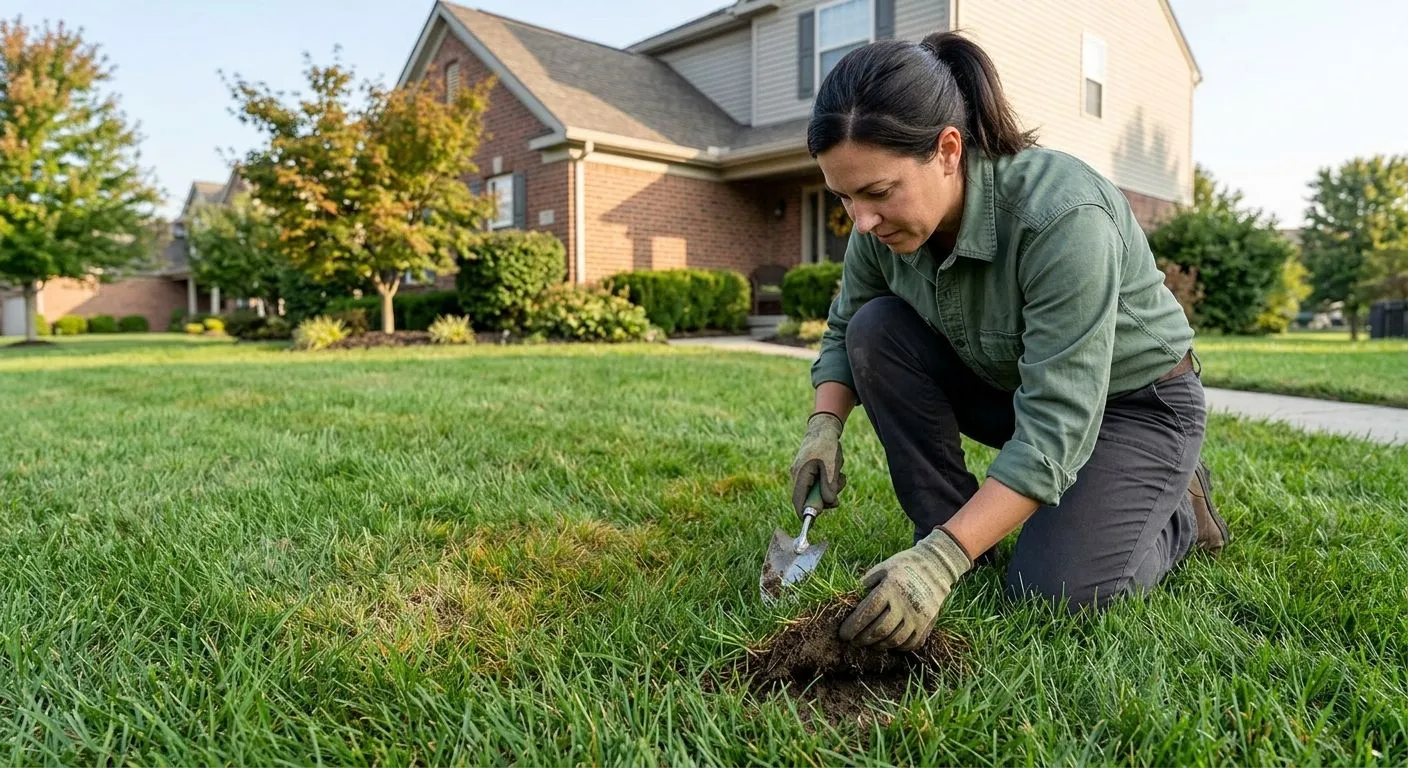
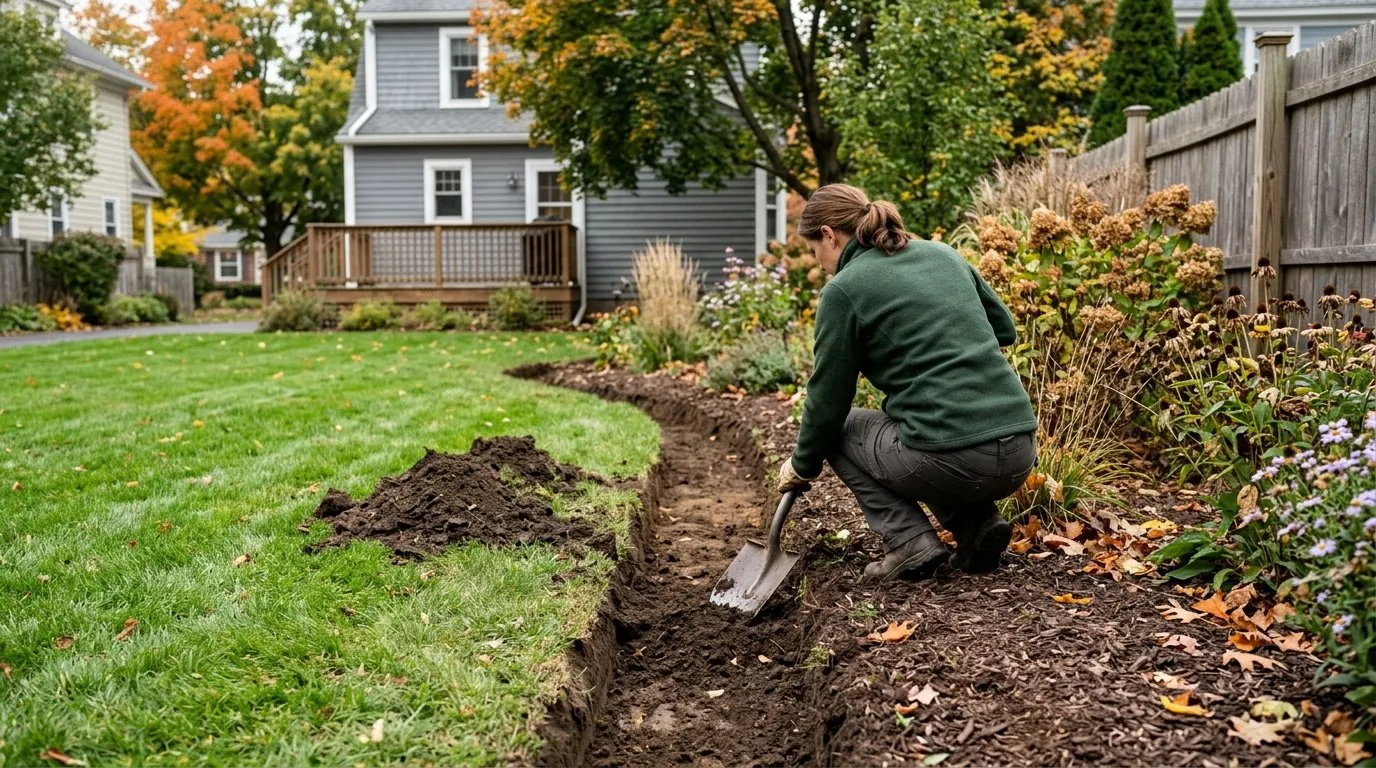
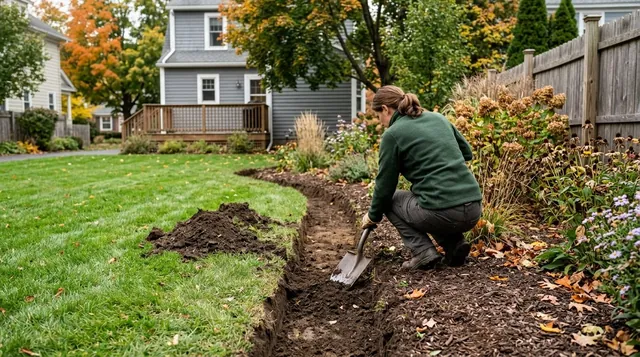
A proper edge is not a string trimmer pass along the grass line. It is a deliberate, spade-cut trench dug between turf and bed soil at a clean vertical or slight-angle depth. This trench acts as a physical and visual break point.
That trench does two jobs at once. It gives your landscape a crisp, defined line that reads as intentional rather than accidental. It also disrupts root systems trying to cross from bed to lawn, which slows weed migration significantly.
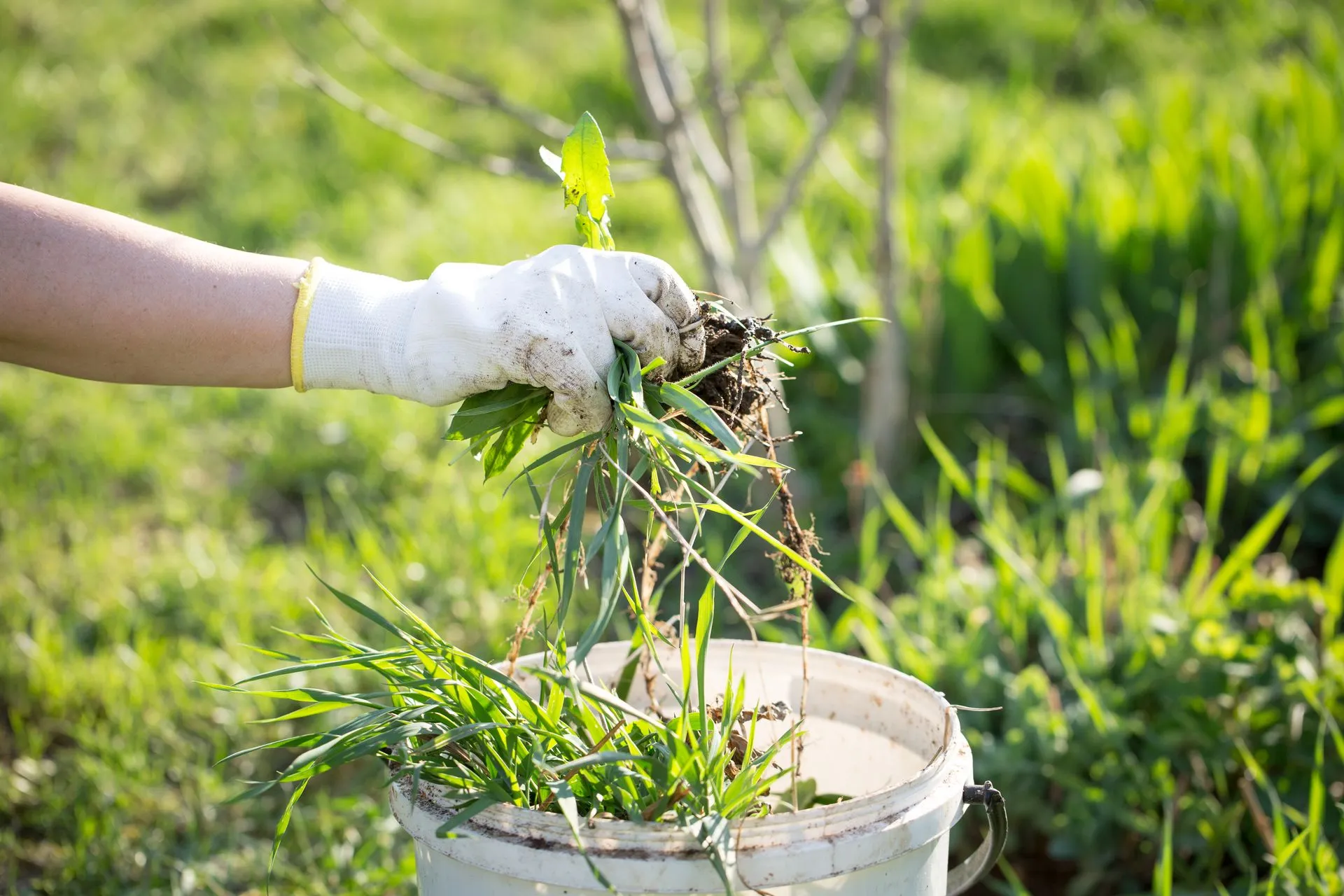
Pairing that edge work with thorough weeding is what makes the "wild-but-refined" look actually hold up through the season. Clearing existing weeds from bed margins before they set seed prevents the next wave of invaders from taking hold near your new edge line.
This is where a structured approach through Naturescape Lawn Maintenance Ltd makes a real difference for area homeowners. Rather than a one-time cleanup, ongoing weeding and edging services keep those lines sharp all season. That beats a few weeks of clean edges after a single visit.
Building Edging Into Your Fall Routine
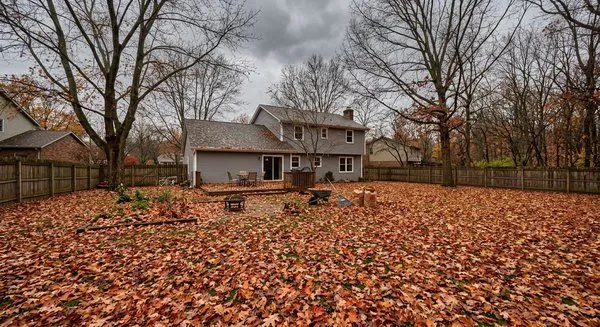
Fall is an underrated time for edging work in Southeast Ohio. Cooler soil is easier to cut cleanly, and weeds pulled now have less chance to reseed before the ground freezes.
Consider these steps as part of an October yard checklist:
- Walk your property and mark where beds have blurred into turf
- Remove visible weeds from bed edges before they drop seed
- Cut a fresh trench line along all major bed borders
- Clear any debris or mulch that has spilled onto the lawn
- Schedule a follow-up pass before winter dormancy fully sets in
Homeowners who invest in this now typically see far less spring cleanup work. A clean edge going into winter holds its shape better through freeze-thaw cycles than a border left ragged and overgrown.
Where This Fits Into Overall Lawn Health
Weeding and edging are not just cosmetic tasks. They connect directly into broader lawn health. Weeds pulled from bed margins never get the chance to spread seed into your turf. Clients regularly mention appreciating that clean, finished look after a visit, and it is usually the edging work that ties the whole yard together visually.
Combined with routine lawn maintenance services, consistent edging protects the investment you have already made in your lawn's density and color. It is a smaller task with an outsized impact on how the entire property reads at a glance.
Frequently Asked Questions
How often should edging be done during the growing season?
Most Albany-area yards benefit from edging every four to six weeks during active growth. Add an extra pass in early fall to reset lines before winter.
Will a soft, natural border actually hold up without plastic edging?
Yes, as long as the trench is maintained regularly. The spade-cut method relies on consistent upkeep rather than a physical barrier, which is why professional scheduling matters.
Can weeding and edging help prevent weeds from spreading into my lawn?
Definitely. A clean trench disrupts root spread between beds and turf. Removing weeds before they seed also reduces the number of new plants that compete with your grass.
Is October too late to start an edging program?
Not at all. Cooler fall soil is easier to work with, and clearing weeds now reduces how much reseeds before spring growth begins.
If your Albany, Athens, or The Plains property could use crisper borders before winter arrives, reach out today. Let's talk through a weeding and edging plan that fits your yard.